
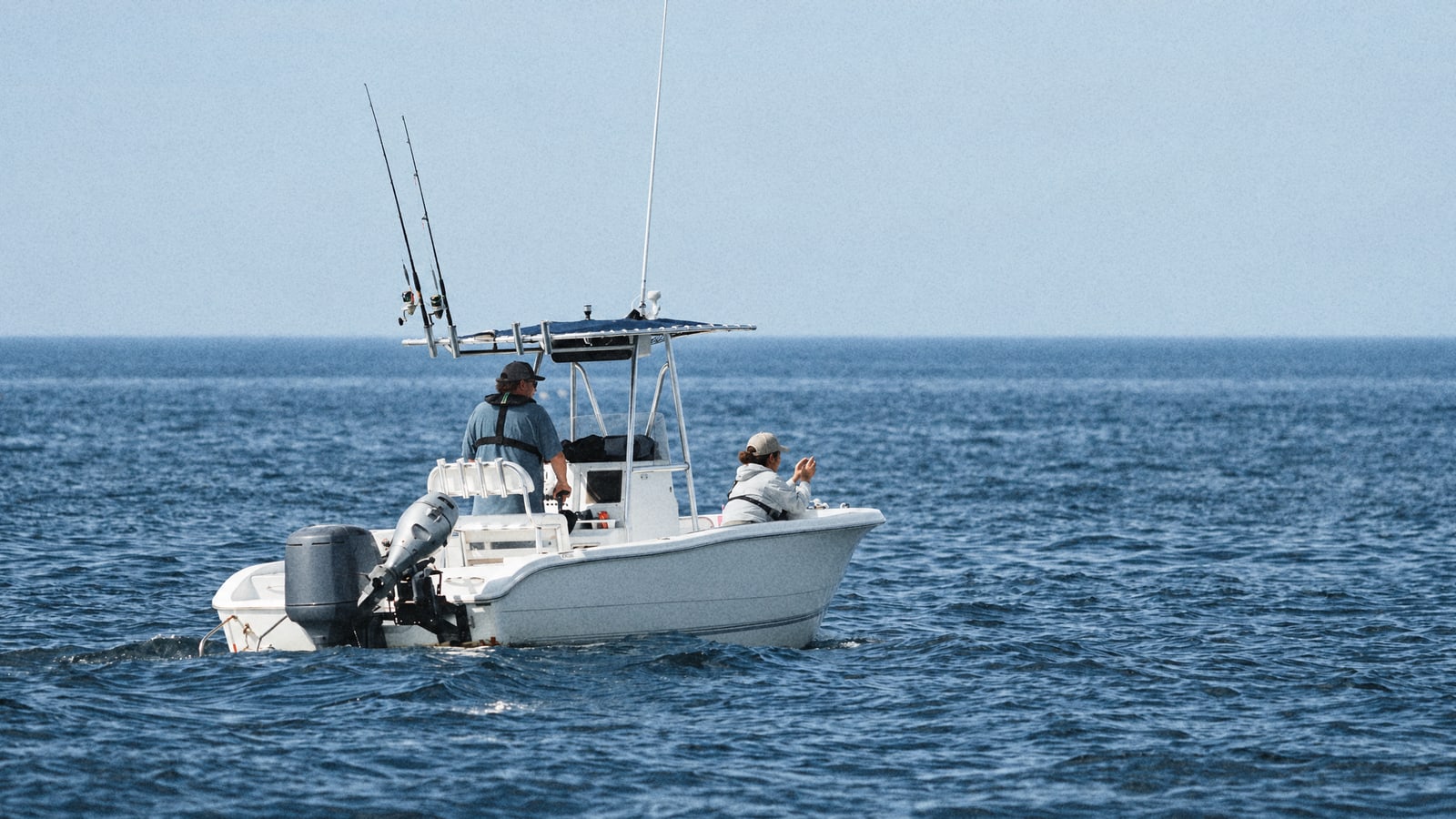
Most people who get queasy on boats can still have a good fishing day in Malta, as long as they choose the season, the side of the island and the trip length with some care. In summer the sea around the islands is usually settled. From late autumn to early spring the north-westerly swell and the odd gregale day make it a different place, and that is when a short trip from a sheltered harbour, a tablet taken before you leave and a seat in the middle of the deck matter most.
This guide is the Malta version of the advice we give for the North Sea off Ramsgate and for the Indian Ocean off Mauritius. The medical part is the same everywhere. The sea is not.
Why the sea around Malta changes so much through the year
Malta sits in the middle of the Mediterranean with open water on every side, and the wind that blows most often comes from the north-west. Maltese fishermen call it the majjistral. A study of the wave climate around the islands by the University of Malta found that the western approaches are the most exposed to those prevailing north-westerlies, and that the energy in the waves changes enormously with the season: a mean of about 15 kW per metre of wave front in winter against under 2 kW in summer. Put simply, the same stretch of sea carries several times more swell in January than in July.
The summer calm has a reason too. The university’s own climate notes describe how the Azores High settles over the region in summer and gives light surface winds, mostly from north-west to north-east. Those are the long blue days when a boat sits almost still over a reef.
Winter adds the wind every skipper in Malta talks about: the gregale, a strong north-easterly that sends a heavy swell into St Paul’s Bay, Marsamxett and the Grand Harbour. On a real gregale day nobody sensible is taking guests out, and we cover what happens to your booking in our guide to a Malta fishing trip cancelled for bad weather. The days that catch people out are the in-between ones: the trip goes ahead, but there is a leftover swell from yesterday’s wind, and a guest who would have been fine in July spends the morning looking pale.
Pick the month first if you can
If you know you are prone to seasickness and you can choose when to come, come between late spring and early autumn. The settled summer pattern means flatter water, warmer air and long mornings on deck, and it overlaps with the season most visitors want anyway. Our guide to fishing seasons in Malta shows what you can target in each month, from reef fish close in to the autumn dolphinfish run.
If you are in Malta in winter, you can still fish. Book early in your stay, keep a second morning free in case the skipper moves the trip, and expect the sea to have more life in it. Our winter fishing guide for Malta explains what the boats do from December to February.
Book a short trip from the right harbour
Trip length is the choice that helps most. A three or four hour trip you enjoy beats an eight hour day you spend counting the minutes, and several of the boats on Reelzy offer exactly that.
Mister Fish Charters in Marsascala, on the south-east coast, runs a three hour inshore trip as well as a four hour offshore one, both from 9 in the morning. Inshore is the gentle choice for a nervous first timer: less time running, more time fishing close to the coast. Marsascala also sits in the lee of the island when the majjistral blows, which is worth knowing on a breezy week.
Fishingmalta in Ta’ Xbiex runs a four hour reef fishing tour that starts at midday, on a 33 foot Targa with a toilet aboard. Reef and ledge fishing keeps you closer in than a run for dorado or albacore, which their own page says can mean 10 to 20 miles. The midday start also suits anyone who feels worse after a dawn wake-up and a rushed breakfast.
Aquaholic Fishing Charter in St Paul’s Bay lets you choose anything from four to eight hours with Captain Paul, so you can book the shortest and stretch it next time if the sea agrees with you. Hooked Malta in Gzira runs four hour trips from 9 on a 25 foot Ranieri with a toilet on board, though that is a tuna trip with heavy gear and a hard fight, so it suits people who already know they are fine at sea.
At the other end of the scale, the Axopar 37 cabin boat in Floriana runs full days from 8, with air conditioning in the cabin and a flybridge. A big, fast boat gets you to the fishing quickly, but a twelve hour day is a long time to be at sea if you are not sure of your stomach, and a cabin is not where you want to sit when you feel off.
Gozo is its own case. fish in deep waters leaves from Gozo at half past five in the morning for four or six hours of deep water fishing. Wonderful if you love it, hard work if you are already feeling the crossing from Malta. If you are staying on Malta, a Malta harbour saves you the ferry as well.
Watch the wind, not the sunshine
A bright morning with a fresh north-westerly can be rougher than a grey, still one, and a calm day after two days of gregale can still roll. Look at the wind direction and strength in the forecast, and look at what the wind did yesterday. Then ask the skipper. The question that matters is simple: which side of the island are we fishing tomorrow, and will it be sheltered? Skippers who fish these waters every week know which coast is calm in which wind and will tell you straight. If they think it is a poor day for a first timer, they will usually suggest moving the trip rather than taking you out to suffer.
What the NHS says helps
The NHS guidance on motion sickness is practical and fits a fishing boat well. Sit or stand where the boat moves least, usually the middle of the deck rather than the bow. Look at a fixed point on the horizon, and keep your phone in your pocket. Stay in the fresh air. Avoid big, rich or spicy meals and alcohol before and during the trip, and try ginger if it suits you.
For medicine, the NHS says a pharmacist can recommend tablets or patches, and that patches are for adults and children over 10. Tablets with hyoscine hydrobromide should be taken at least 30 minutes before you travel. They can make you drowsy, dizzy or give you a dry mouth, so no alcohol with them and no driving if they make you sleepy, which matters if you hired a car to reach the marina. Pharmacies in Malta sell motion sickness tablets too, but it is easier to sort it out at home, where you can ask about your other medicines in your own language.
The line that matters most is about timing. Once you feel sick, a tablet does much less. Take it before you leave, as the pack and the pharmacist tell you.
On board: the habits that keep you fishing
Keep busy with a rod in your hand and your head up. Bottom fishing over a reef gives you something to watch from the first drop. Let the crew tie rigs and bait hooks for you; bending over a knot with your head down is when many people first feel it. Sip water and nibble something plain. Several of the Malta boats carry snacks and drinks, and in summer the sun does as much harm as the swell, so bring a hat and more water than you think you need.
If you start to feel off, do not go into the cabin. Stay on deck, find the middle of the boat, look at the horizon and tell the skipper early. They have seen it many times. Being sick over the side (the crew will point you to the downwind side) often brings relief, and plenty of people go on fishing afterwards. On a private charter with your own group, heading back early is a conversation you can have without spoiling a stranger’s day. On a shared trip, such as the Fishingmalta tours, the boat stays out for the others.
Children and first timers
Children need the same plan: a short trip, a calm month, the middle of the deck and something to do. Some boats set an age; Hooked Malta, for example, welcomes kids ideally from 10 up. Our guide to a Malta fishing charter with kids covers ages and what to pack, and the Malta fishing trip for beginners guide explains what a first morning at sea feels like.
What to ask the skipper before you book
Ask how long the trip is and whether there is a shorter one. Ask where they usually fish this time of year, how far out that is, and what they do when the majjistral or the gregale blows. Ask whether there is shade and a toilet on board, and whether they help with rigs if your group is new to it. You can send all of that in the chat on any listing before you book, and the answers tell you a lot about the crew.
When you are ready, look at the fishing charters in Malta, pick a short trip from a harbour that suits the week’s wind, and see the pharmacist before you fly.
Leave a Reply