
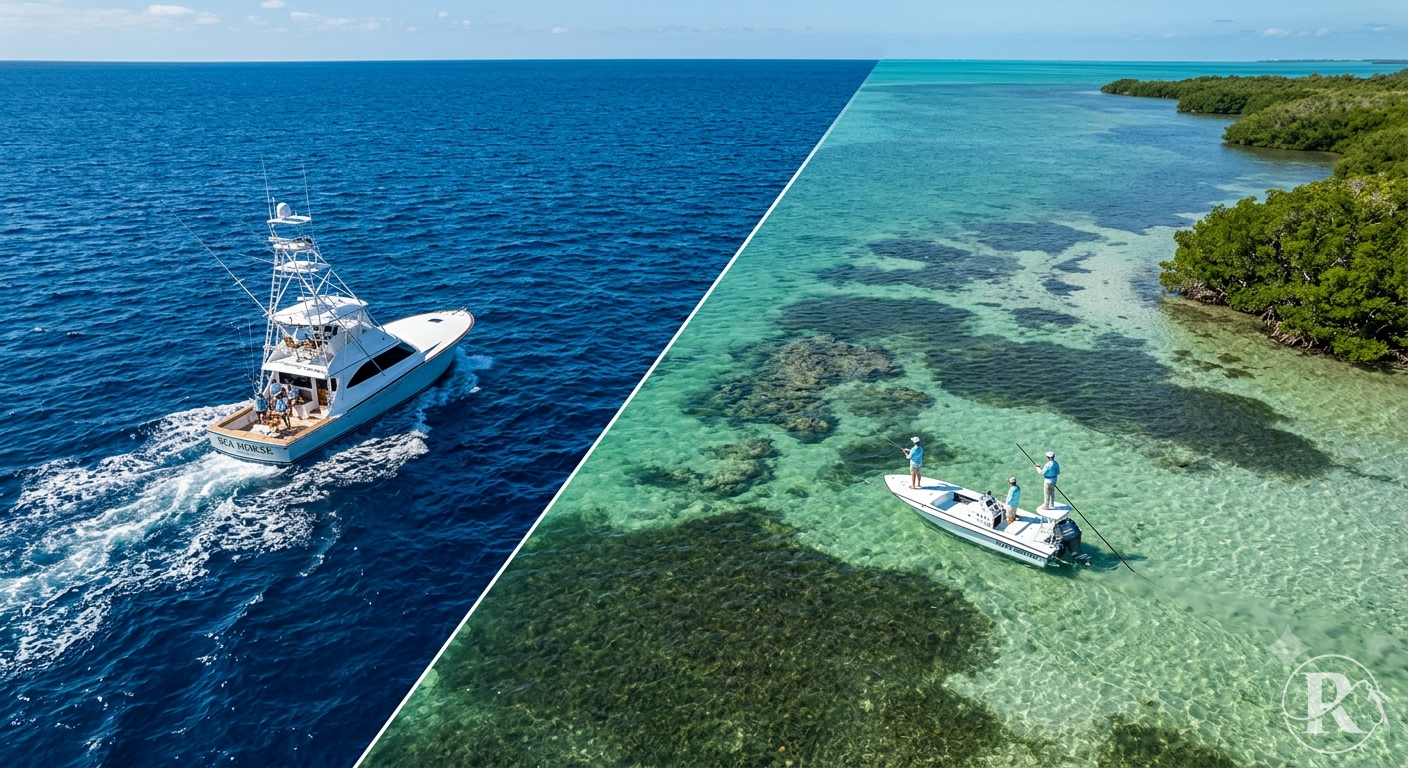
For many anglers, understanding the difference between offshore and inshore fishing is crucial to planning the perfect day on the water. These two types of fishing offer distinctly different experiences, target various species, and require different equipment and preparation. Whether you’re booking your first charter or you’re a seasoned saltwater enthusiast looking to try something new, knowing what separates these fishing styles will help you make the right choice for your next adventure.
Let’s dive into the key characteristics, advantages, and considerations for both offshore and inshore fishing to help you determine which experience best matches your interests, skill level, and expectations.
Offshore Fishing: Strengths and Weaknesses
Offshore fishing, frequently called deep-sea fishing, takes you into deep, open ocean waters. While some define “offshore” as starting where the green water turns to deep blue, the physical distance from land varies wildly by geography. On the Atlantic side of Florida or the Pacific coast, the continental shelf drops off so sharply that you can target massive ocean predators just 2 to 3 miles from the beach. In contrast, along the shallower Gulf Coast, you may need to steam 20 to 50+ miles out before reaching deep-water reefs and trenches. Generally, once you cross the boundary from state to federal waters (3 miles out on the Atlantic; 9 miles out on the Gulf), you have entered the true offshore realm.
What Makes Offshore Fishing Special
When you venture into offshore waters, you’re entering the domain of some of the ocean’s most prized catches. Offshore fish tend to be significantly larger than their inshore counterparts. Species like tuna, marlin, mahi-mahi (dolphin fish), wahoo, and various grouper and snapper species dominate these deeper waters. On Reelzy that is the territory of boats such as Flying Kiss Cruise out of Pointe aux Piments in Mauritius, which leaves at 5:30 in the morning for dorado, tuna and marlin, or Hooked Malta, where big game tuna is the whole point of the trip.
Trolling is a common technique used in offshore fishing, where baited lines or lures are dragged behind a moving boat. This method is particularly effective for pelagic species that actively hunt in the water column. When targeting bottom fish like snapper and grouper, specialized rigs are deployed to reach the deeper water where these species congregate near structures and reefs. For extreme depths (targeting swordfish or deep-dwelling grouper in 500 to 1,500+ feet), professional charters will even utilize “deep-dropping” techniques with heavy-duty electric reels.
Offshore trips often involve traveling to specific fishing grounds like underwater reefs, wrecks, or areas where currents create favorable conditions for baitfish and the predators that hunt them. The experience of being miles from land, surrounded by the vast sea, adds an element of adventure that many anglers find irresistible.
Advantages of Offshore Fishing
- Trophy-sized catches: The potential to land massive game fish like tuna and marlin
- Variety of species: Opportunity to target multiple types of offshore fish in a single trip
- Less fishing pressure: Fewer boats competing for the same fish compared to inshore spots
- Spectacular views: Experiencing the open ocean and possibly encountering marine wildlife
Challenges of Offshore Fishing
- Weather dependency: Offshore trips require favorable sea conditions
- Longer commitment: Typically requires full-day trips due to travel time
- Physical demands: Fighting large fish and dealing with sea conditions can be taxing
- Higher cost: Offshore charters generally cost more due to fuel consumption, larger boats, and specialized equipment
The boats used for offshore fishing are substantially larger than inshore vessels, typically 30+ feet, to handle rougher sea conditions. These boats come equipped with powerful outboard or inboard engines, advanced navigation systems, and fishing-specific features like outriggers for trolling multiple lines simultaneously.
Inshore Fishing: Strengths and Weaknesses
Inshore fishing occurs in water depths typically less than 30 feet and within sight of shore. This includes bays, estuaries, flats, and areas around bridges, docks, and jetties. While often overlooked by anglers dreaming of offshore giants, inshore fishing offers its own unique set of advantages and experiences.
What Makes Inshore Fishing Special
Inshore waters serve as nurseries and feeding grounds for numerous fish species. These protected areas offer consistent action throughout the year as they’re less affected by weather conditions than offshore environments. Inshore fishing typically targets species like redfish, speckled trout, flounder, snook, and tarpon, depending on the region.
The techniques used for inshore fishing differ significantly from offshore methods. Light tackle is the norm, with artificial lures, live bait, and fly fishing all being effective approaches. Sight fishing, spotting and casting to visible fish, is a thrilling aspect of inshore fishing that’s impossible in deeper offshore waters.
Inshore environments feature diverse structures like oyster beds, grass flats, mangroves, and channels that concentrate fish and create predictable feeding patterns. Understanding how these features influence fish behavior is key to inshore success.
Advantages of Inshore Fishing
- Accessibility: Less travel time means more fishing time
- Weather resilience: Protected waters remain fishable when offshore conditions are rough
- Lower cost: Inshore fishing charters are generally more affordable
- Consistent action: Often produces higher numbers of fish, even if they’re smaller
- Family-friendly: Calmer waters and shorter trips make it ideal for children or those prone to seasickness
Challenges of Inshore Fishing
- Smaller fish: While quality catches exist, trophy-sized specimens are less common than offshore
- More boat traffic: Popular inshore spots can become crowded, especially during peak seasons
- Tidal dependencies: Fishing success often hinges on understanding and timing tidal movements
- Technical fishing: Can require more finesse and precision than offshore methods
Inshore boats are typically smaller (16-24 feet) with shallow drafts to navigate skinny water. These vessels prioritize maneuverability over the seaworthiness required for offshore boats. Many are equipped with poling platforms or trolling motors for stealthy approaches in shallow areas where fish are easily spooked.
Main Differences Between Offshore and Inshore Fishing
Understanding the key differences between these two types of fishing will help you set appropriate expectations and choose the experience that best matches your preferences.
Location and Environment
The most obvious difference is where these activities take place. Inshore fishing occurs in protected waters close to shore, while offshore fishing happens miles out in the open sea. This fundamental difference influences every other aspect of the experience, from the species targeted to the equipment used.
Nearshore fishing represents a perfect middle ground. Typically occurring from the beach out to about 9 miles, this zone offers a mix of both worlds. Here, you can target hard-fighting wreck species (like cobia and snapper) or chase massive migratory species like giant tarpon, kingfish, and sharks right along the coastal beaches and inlets without having to make a grueling run to the deep ocean.
Target Species
Offshore waters host pelagic predators like tuna, wahoo, mahi-mahi, and marlin, along with deep-water bottom fish like grouper, snapper, and sea bass. These offshore fish tend to be larger and more powerful than their inshore counterparts.
Inshore species like redfish, speckled trout, and flounder may be smaller on average than giant offshore pelagics, but they provide consistent action. Many inshore saltwater fish are prized for their fighting ability relative to their size, making them exciting targets on appropriate tackle.
Equipment and Techniques
Offshore fishing typically requires heavy-duty equipment to handle larger fish and deeper water. Heavier rods, larger reels with greater line capacity, and stronger terminal tackle are standard. Techniques like trolling with artificial lures or rigged natural baits are common, as is deep dropping specialized rigs for bottom fish.
Inshore fishing utilizes lighter tackle, allowing anglers to feel more direct connection to the fish. Techniques tend to be more varied and technical, including sight casting, working artificial lures, float fishing with live bait, and fly fishing. The emphasis is often on presentation and finesse rather than the brute strength needed for offshore battles.
Trip Duration and Physical Demands
An offshore trip typically requires a full day (8-12 hours) due to the travel time needed to reach productive fishing grounds. The physical demands can be significant, from handling heavy tackle to fighting large fish, all while dealing with potential sea conditions.
Inshore fishing charters often offer half-day options (4-6 hours) that can be productive due to minimal travel time. The physical demands are generally less intense, making inshore fishing more accessible to anglers of varying ages and fitness levels.
Here is a quick look at how these three environments stack up side-by-side:
| Feature | Inshore Fishing | Nearshore Fishing | Offshore (Deep-Sea) |
| Distance from Shore | 0 to 1-2 miles (Bays, flats, estuaries) | 1 to 9 miles (Beaches, reefs, wrecks) | 9 to 50+ miles (Open ocean / Deep drops) |
| Water Depth | Typically under 30 feet | 30 to 100 feet | 100 to 1,500+ feet |
| Water Conditions | Calm, protected waters | Mild swells, semi-protected | Open ocean swells (Seasickness risk) |
| Key Targets | Redfish, Trout, Snook, Flounder | Kingfish, Cobia, Adult Tarpon, Sharks | Mahi-Mahi, Tuna, Marlin, Sailfish, Grouper |
| Trip Length | 4 to 6 hours (Half-Day) | 6 to 8 hours (3/4 Day) | 8 to 12+ hours (Full-Day / Multi-Day) |
| Best For | Families, beginners, light-tackle fans | Anglers wanting action and size | Trophy hunters, experienced anglers |
Should You Choose Offshore or Inshore Fishing?
The ideal choice between offshore and inshore fishing depends on your priorities, experience level, and specific interests. Here are some considerations to help guide your decision:
Choose Offshore Fishing If:
- You’re targeting trophy-sized fish like tuna, marlin, or mahi
- You have a full day available for fishing
- You’re comfortable with longer boat rides and potentially rougher conditions
- You want the experience of deep sea fishing far from shore
- You’re willing to invest more money for the chance at larger game fish
- You have some fishing experience or are physically prepared for challenging fights
Offshore fishing delivers unmatched excitement when a massive tuna or kingfish strikes your bait. The adrenaline rush of watching your reel scream as a powerful game fish makes a run is something every angler should experience. Many offshore charters also offer the chance to troll for multiple species while moving between fishing spots, increasing your chances of diverse catches.
Choose Inshore Fishing If:
- You prefer consistent action over trophy size
- You’re new to saltwater fishing or bringing along beginners
- You’re limited on time and prefer a half-day option
- You’re concerned about seasickness or rough water
- You enjoy more technical fishing requiring finesse and precision
- You’re fishing with children or those with limited mobility
- You’re working with a tighter budget
Inshore fishing offers the perfect introduction to saltwater angling. Boats built for exactly this include Lady Ann, a family boat out of Kent that supplies all the bait and tackle, and the light tackle trips in the south east lagoon of Mauritius out of Mahebourg. The variety of techniques and species keeps the experience engaging, and the protected waters mean trips are rarely canceled due to weather. For families, the shorter duration and calmer conditions make inshore charters particularly appealing.
When booking through Reelzy, you can easily compare both inshore and offshore charter options in your destination, whether that is Mauritius, the UK or Malta, reviewing captain experience, boat specifications, and trip details to make an informed choice. Many experienced anglers even enjoy alternating between inshore and offshore trips to experience the best of both worlds.
The Best Fishing Experience for You
Ultimately, the “better” type of fishing is whichever style aligns with your interests and expectations. Many factors influence fishing success regardless of whether you choose inshore or offshore, including season, weather conditions, captain experience, and sometimes just plain luck.
Both environments offer their own unique challenges and rewards. Many factors will influence your success regardless of which style you choose – including the season, local weather conditions, your captain’s experience, and sometimes just plain old luck.
Whether you’re fighting a massive offshore tuna or skillfully working the shallows for inshore species, the thrill of the catch and the experience of being on the water make either choice a winner for fishing enthusiasts.
Decided which suits you? Browse deep sea charters for the offshore option, or bottom fishing trips if you would rather stay closer in. Both list boats worldwide on Reelzy.
Leave a Reply