
Table of Contents
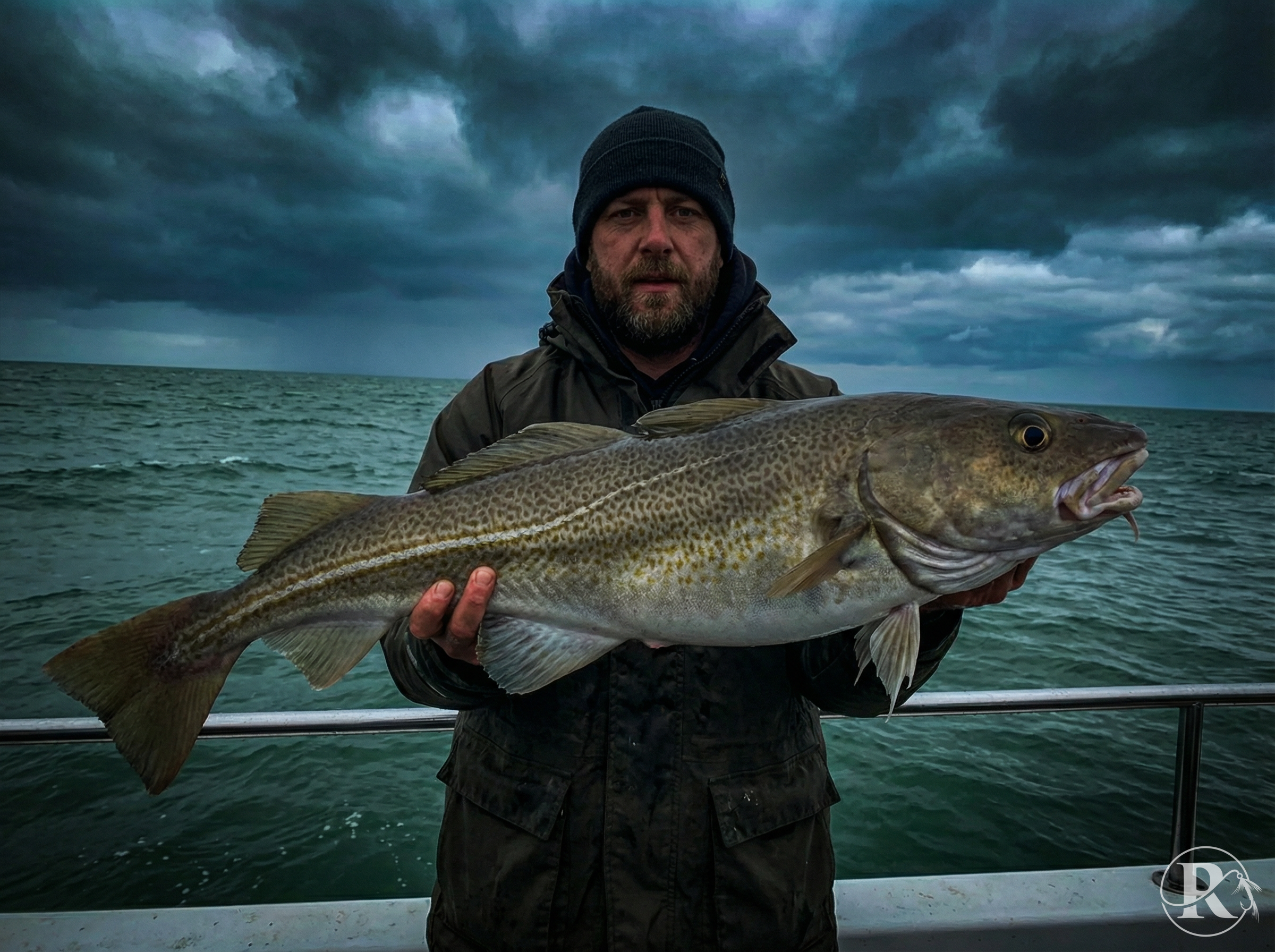
If you speak to anglers along the South Coast or scroll through any UK fishing group, one question comes up again and again: where has the South Coast cod gone? The stories don’t match what many of us grew up with. Locations that once produced winter cod every year now feel strangely quiet, and even commercial boats that relied on cod runs are struggling to find them.
It’s not just one person saying it.
It’s almost everyone.
Some point to overfishing, others blame rising sea temperatures, and plenty suggest it’s a combination of both. The truth is, there’s no single answer, but the patterns we’re seeing are hard to ignore.
Let’s break down what anglers, skippers, and recent studies are telling us.
1. Overfishing Has Played a Role – Especially Around Spawning Grounds
The Beachy Head Marine Conservation Zone (MCZ) is often mentioned in these conversations, and for good reason. Historically, this area was a reliable spawning ground for cod. In winter, the fish pushed in close, gathering in big numbers. Commercial boats targeted them legally, and recreational anglers enjoyed consistent catches.
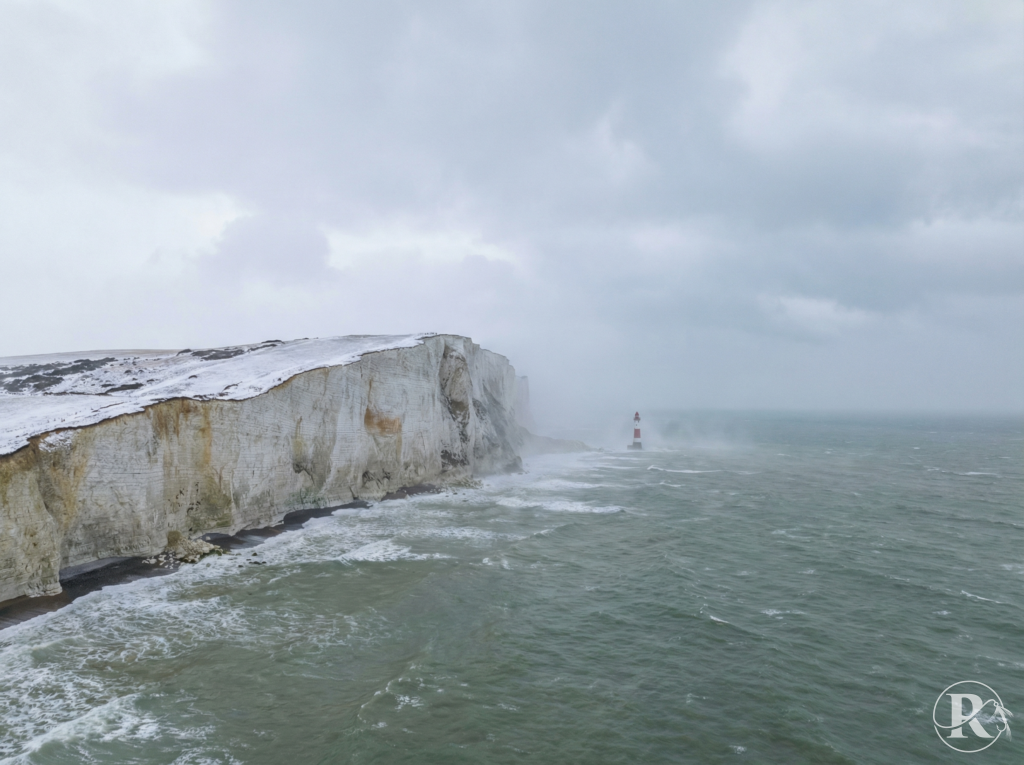
But those winter spawning aggregations also made cod incredibly vulnerable. Netters and trawlers could (and still can, legally) take large amounts in a short window. Some skippers estimate that hundreds of tonnes were taken from this zone over the years.
An angler in the Facebook discussion mentioned something eye-opening:
A commercial skipper was given temporary permission last year to catch cod for a scientific study. He trawled for several weeks.
He didn’t catch a single cod.
That says a lot.
Overfishing doesn’t just affect numbers today. It affects the next generation of cod that should have come from past spawning seasons.
2. Sea Temperatures Are Changing – And Cod Feel It More Than Most Species
Cod like cold water.
Not cool.
Cold.
As sea temperatures increase along the South Coast, cod face two major problems:
- the water becomes less suitable for them
- other species start moving in, out-competing juvenile cod
Meanwhile, anglers up north are reporting something different: codling everywhere. Almost like pout. Dozens washed up or caught weekly. And alongside that, species like Dover sole – normally more southern – are now appearing further north.
That shift strongly suggests temperature is pushing fish distribution, not just pressure from commercial fleets.
Cod may simply be spending more of their life cycle in cooler northern waters where conditions still suit them.
3. Codling vs Cod: Why the South Gets One and the North Gets the Other
Along the South Coast, anglers occasionally report small codling on reefs in spring, but the bigger winter adults – the fish many of us remember targeting – seem largely gone.
Meanwhile, beaches in the North East and Yorkshire see strings of tiny codling laid out every week. Often a dozen at a time. These might not be the large winter cod many dream of catching, but they at least show that the stock has some recruitment up north, even if growth rates or survival rates remain concerning.
Why the difference?
- Colder northern water suits cod
- Food availability differs
- Less thermal stress
- Different migration patterns
The South Coast may simply no longer be part of the cod’s preferred migration in the way it once was.
4. Studies Suggest It’s Not One Problem – It’s Two Working Together
Even scientists admit cod remain one of the harder species to manage because:
- they move
- they shift depth
- they react quickly to environmental changes
- they gather in predictable spawning groups
Overfishing removes breeding adults.
Warming seas disrupt nursery areas.
Put those together, and you get the situation anglers see today:
Some local collapse in the South, but codling abundance further north.
The Facebook post summed it up perfectly: “I’m no scientist, but it feels like a mix of both.” And honestly, that’s what most experts quietly agree with.
5. What Does This Mean for Anglers in 2026?
The reality is simple:
- South Coast winter cod fishing is nothing like it used to be
- Big cod catches are now uncommon
- Codling appear inconsistently and often only in small numbers
- Boat anglers must travel further offshore to find structure holding cold water
But this doesn’t mean cod are gone forever.
Marine populations change in cycles.
Water temperature trends can shift.
Stricter protection (if ever introduced around spawning areas) could help recovery.
For now, many South Coast anglers are adapting by targeting species that are thriving, such as bass, bream, huss, smoothhound, and conger.
If you’re looking to explore other locations or charter options around the UK, you can browse current trips here:
👉 https://reelzy.co/s?&address=UK&chosen=1
Final Thoughts
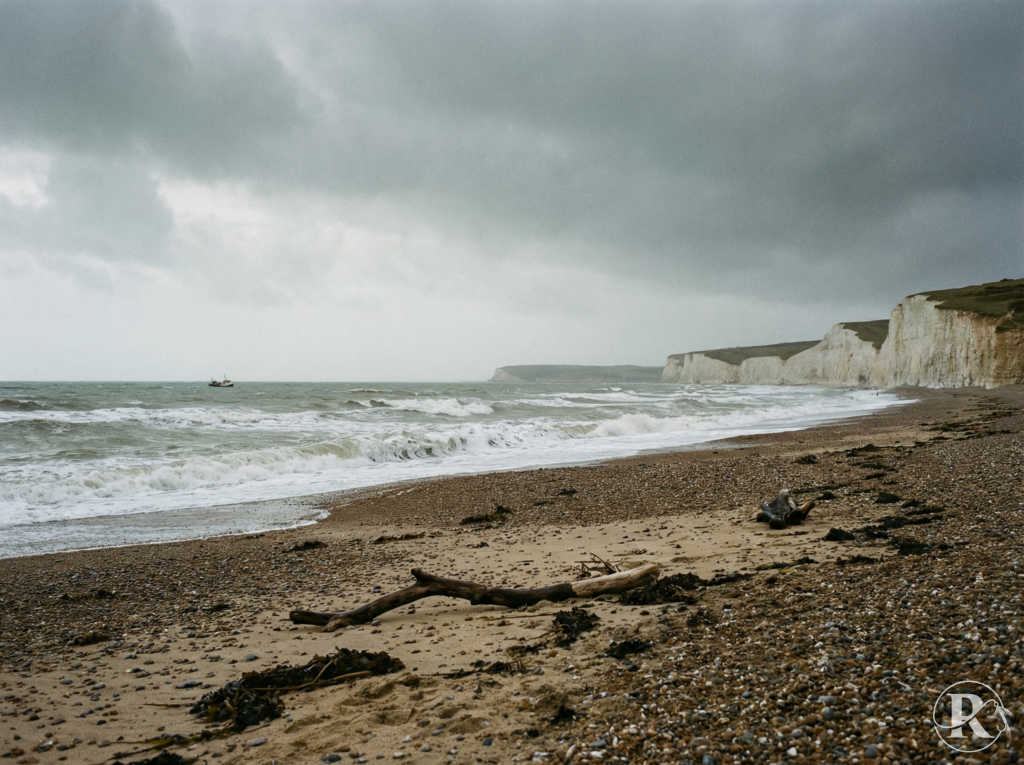
The decline in South Coast cod isn’t just rumour. Anglers, charter skippers, and even scientific studies are all pointing to the same story: cod are struggling here in ways we didn’t see decades ago.
But conversations like the one in that Facebook thread matter. They highlight real problems, spark discussion, and give anglers a voice in how we protect the species we care about.
Whether cod recover in the South will depend on both our environment and how we manage the stock. For now, the best thing anglers can do is stay informed, fish responsibly, and keep sharing what they see on the water.
Leave a Reply