
Table of Contents
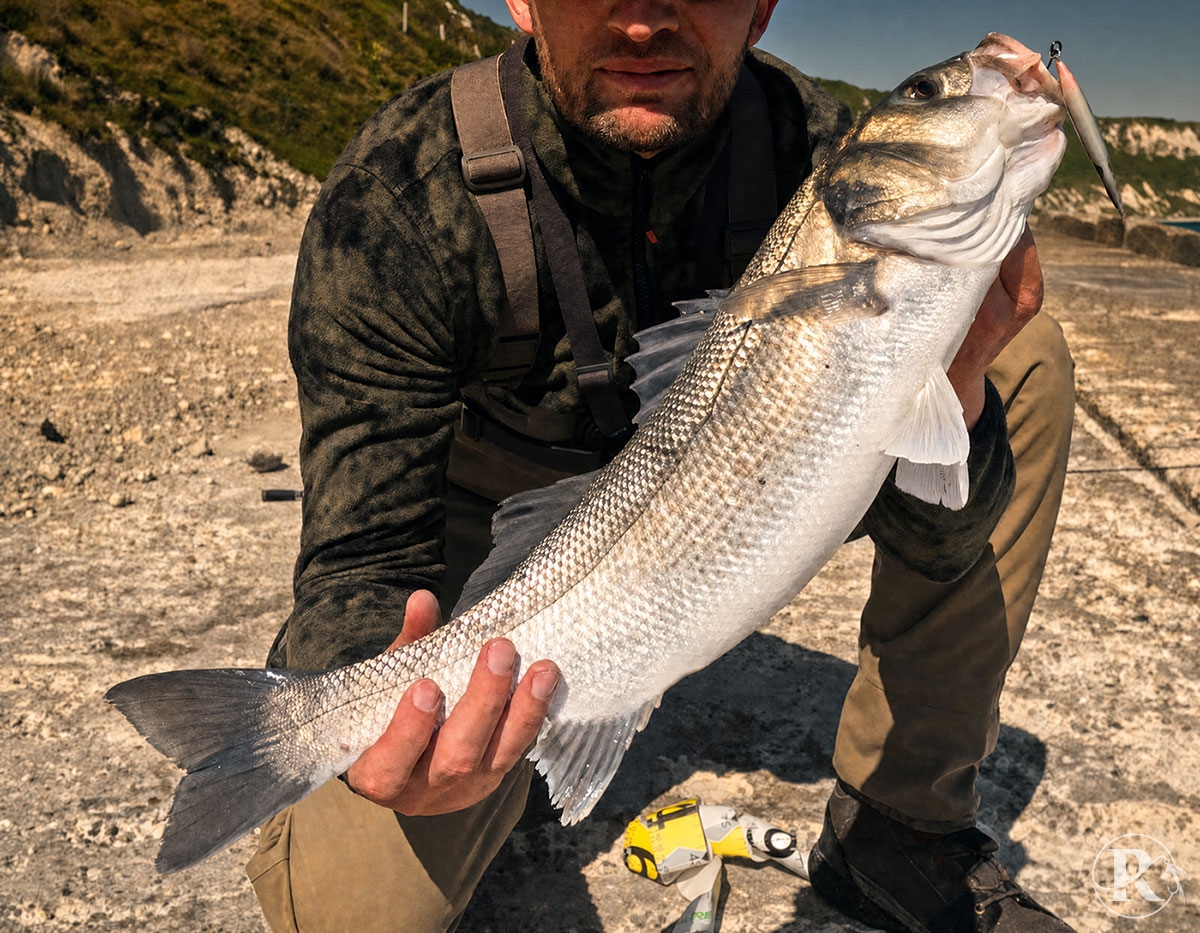
Bass fishing in the UK looks simple from the outside. You take a rod, tie on a lure, make a few casts and hope for a hit. In reality, learning how to catch bass is much more about understanding tide, structure, weather, bait and timing than simply buying the right lure.
That is especially true on the South Coast. One mark may fish best on the flood, another on the ebb. One beach may come alive on high water, while another only seems to produce around low tide. Some marks need clean, calm water. Others can fish well with a bit of movement and colour. There is no single rule that works everywhere.
If you are just starting out, the good news is that you do not need to know everything on day one. You just need to start noticing the patterns.
Bass Fishing Is About Reading The Water
A lot of beginners focus first on tackle. Rod, reel, braid, lure colour, lure size. Those things matter, but they come after the bigger question: why would a bass be here at all?
Bass move to feed. They follow baitfish, prawns, crabs and other small food sources. They use current, depth changes, rocks, gullies, weed beds and ambush points. They often feed in short windows and may only switch on for a limited time around a specific tide stage.
That means successful bass fishing is usually about observation first.
When you arrive at a mark, you should be thinking:
- where is the food;
- where is the tide pushing it;
- where can bass ambush prey;
- is the water clear enough;
- is there bird activity;
- is this mark likely to fish on the flood or the ebb;
- is the tide too big, too small or just right.
The more you ask those questions, the faster you improve.
Learn A New Mark At Low Tide
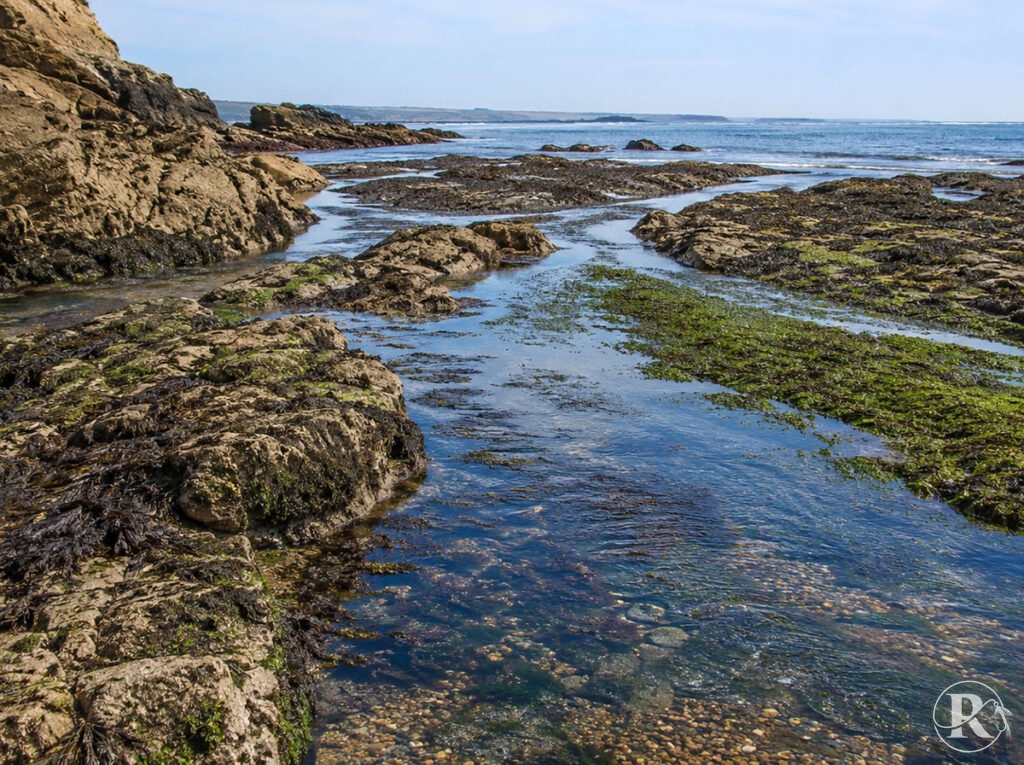
If you are starting to explore a new shore mark, one of the best things you can do is visit it at low tide before you fish it properly.
Low tide shows you what is normally hidden. You may spot gullies, channels, weed beds, broken ground, rock fingers, drop-offs, boulder fields and patches of sand between rough ground. These are exactly the kinds of features that can hold or funnel bass once the water returns.
A place that looks flat and lifeless at high water can make much more sense once you have seen the bottom properly.
This is also how you begin to understand how each mark is different. Some marks hold bass when water floods over shallow reef. Some fish better when the tide drains bait out of gullies. Some need more depth. Some only come alive when current starts moving properly.
Take photos, make notes and compare what you saw at low tide with what happens later when you actually fish it.
Tides Matter More Than Most Beginners Expect
Tide is one of the biggest factors in bass fishing, but the mistake many people make is searching for one universal answer.
There is no rule that says bass always feed on high tide. There is no rule that says low tide is always best. Every mark has its own personality.
Some marks fish better:
- on the first push of the flood;
- around high water;
- on the ebb as food gets pulled out;
- around low water in deeper channels or gutters.
The size of the tide matters too. Big spring tides create more movement, more disturbance and often more food activity, but they can also make some marks too rough or too fast to fish effectively. Smaller neap tides can sometimes feel lifeless, but on the right mark they may keep the water clearer and more manageable.
The key is not to guess once and decide forever. The key is to return to the same mark in different conditions and build your own understanding over time.
Weather Is Not Just About Today
A lot of anglers check the weather on the morning of the trip and stop there. That is not enough.
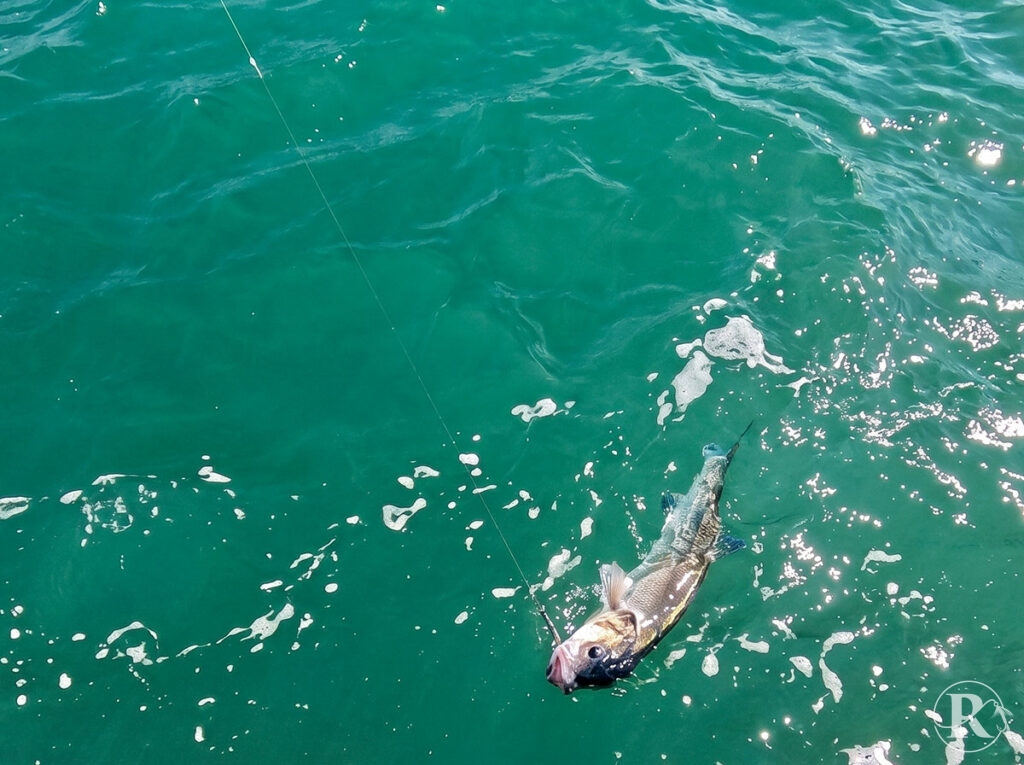
Bass fishing is often affected by what happened over the previous few days. Heavy rain can colour estuaries and beaches. Strong wind can push weed into the mark, make the sea dirty or make lure control difficult. A few days of calmer or offshore weather can clean the water up again.
Before you fish, think about:
- has there been heavy rain recently;
- has the sea been rough for a few days;
- is the wind pushing into the shore or off it;
- is the water likely to be clear or coloured;
- will there be floating weed;
- will the lure still be fishable in those conditions.
For South Coast lure fishing, water clarity often makes a huge difference. If the water is badly coloured, your whole plan may need to change.
Check Webcams Before You Leave
One of the most practical things you can do before a trip is check local coastal webcams.
Many beaches, harbours, piers, marinas and surf spots have live cameras. They can help you see what the sea actually looks like before you drive to the mark. Forecasts are useful, but a webcam can show whether the water is dirty, whether there is too much surf, whether weed is likely to be a problem and whether the place even looks safely fishable.
A webcam check the evening before, and again before leaving in the morning, can save you a wasted trip.
It is especially helpful when you are fishing a new area and trying to work out whether conditions match the type of mark you want to fish.
Look For Food And Bird Activity
Bass go where the food is. If there is no food in the area, there may be no reason for them to stay.
That is why it is worth slowing down and watching the water before you cast. Look for baitfish flicking, prawns, sandeels, crabs, nervous water, diving gulls or terns, and any sign that the tide is concentrating food into a small area.
Bird activity is not a guarantee of bass, but it is often a useful clue. If birds are repeatedly working one area, it usually means bait is there. And if bait is there, bass may not be far away.
Shore Fishing Or Boat Fishing?
Before getting too deep into gear and lure choices, it is worth deciding how you actually want to learn bass fishing.
Fishing From Shore
Shore fishing is usually the harder route, but it teaches you more. You need to understand tides, access, safety, structure, water clarity and lure presentation. You may have to walk further, climb over rocks and sometimes fish in waders or waterproof boots.
It can be more demanding, but many anglers find it more rewarding because every fish feels earned.
Fishing From A Boat
Boat fishing is often more efficient, especially for beginners. A skipper already knows the local marks, the tide windows and the likely holding areas. If one area is poor, they may be able to move to cleaner or more sheltered water.
That usually means a better chance of finding fish and a much shorter learning curve. On Reelzy, three south-east boats list European seabass among their targets. HUSSLER out of Ramsgate is a 26-foot boat for up to six anglers on 4 or 6 hour trips from Ramsgate Marina, with all tackle and bait supplied. Kestrel Warrior in East Sussex carries a tackle shop aboard, hires rods and has a fishing coach who gives free tuition, which makes it the obvious first boat trip for a beginner. Lady Ann in Kent supplies bait and tackle, fishes plenty of local marks through the day and prepares anything you keep before you step off.
What About A Guide?
For many beginners, a good guide is the best shortcut of all. One guided trip can save months of trial and error.
A local guide can help you understand:
- how to read a mark;
- when to fish it;
- which lures to use;
- where bass are likely to hold;
- how to fish safely.
If you are completely new to bass fishing on the South Coast, starting with a guide or a Kent charter skipper is often a much smarter move than trying to solve everything alone.
What Tackle Do You Need To Start?
You do not need a huge amount of gear to start bass fishing from the shore.
A simple beginner setup is enough:
- a spinning rod around 8’6″ to 9’6″;
- casting weight around 10-30g or 10-35g;
- a 2500-4000 size reel;
- 15-20 lb braid;
- 15-25 lb fluorocarbon leader;
- a small selection of soft plastics, shallow divers and surface lures;
- pliers, clippers, polarised sunglasses and a tape measure.
The most important thing is not owning loads of tackle. It is carrying a setup you can use confidently for several hours while learning how the mark behaves.
Best Beginner Lure Types
You do not need a giant lure collection. You need a few types that cover different situations.
Soft Plastics
Soft plastics are one of the easiest and most versatile places to start. They can imitate sandeels, baitfish and other natural food sources, and they work well when bass are feeding lower in the water or being more cautious.
Shallow Divers
These are excellent over shallow ground, reef and rocky areas where bass are hunting baitfish. They let you cover water and are often a strong choice when bass are active but not fully committing to surface lures.
Surface Lures
Topwater fishing is one of the most exciting ways to catch bass. Surface lures can work in calm water and can also work surprisingly well in rougher conditions. Often the main issue is not the chop itself, but whether the wind still allows you to control the lure properly.
Some days bass want a steady walk-the-dog retrieve. On other days they react better to twitches and pauses. It is worth experimenting. A pause after a missed hit can often trigger a second take.
Bombarda Rig For Tiny Bait Situations
Sometimes bass get locked onto very small bait and seem to ignore normal lure sizes completely. In those situations, a bombarda rig can be very useful because it helps you cast tiny lightweight offerings much further than you could on a normal lure setup.
It is not always the first method beginners learn, but it is worth knowing about. When bass are feeding selectively on shoals of miniature bait, a more subtle bombarda presentation can sometimes get a response when standard lures do not.
Keep Notes – This Is How You Improve
The fastest way to improve at bass fishing is to keep a simple log.
Write down:
- the mark;
- tide stage;
- tide size;
- wind direction;
- water clarity;
- lure used;
- bait or bird activity;
- whether you had follows, hits or landed fish.
After a number of sessions, patterns start to appear. You begin to see that one mark likes a flooding tide with light onshore wind. Another only works on the ebb in clean water. Another produces in low light with surface lures over shallow reef.
That is how bass anglers really improve. Not by guessing harder, but by paying attention.
Responsible Bass Fishing In The UK
Before retaining any bass, always check the latest rules for the area you are fishing. You can check the latest official rules on the GOV.UK bass fishing guidance.
For 2026, recreational fishers in the relevant English and Welsh areas are on catch-and-release only from 1 February to 31 March. Outside that period, the bag limit is 3 bass per angler per day, and the minimum conservation reference size is 42 cm. There can also be extra restrictions in bass nursery areas, so it is worth checking local guidance before each trip.
It is also worth knowing that the 3-fish limit is a relatively recent increase from the previous 2-fish limit, so some skippers and guides still choose to follow the older 2-fish standard on their own trips. Many conservation-minded anglers also release larger bass over roughly 59-60 cm because these older fish are often seen as especially valuable for breeding.
Why Book Through Reelzy?
If you are new to bass fishing, booking through Reelzy can make the whole process easier.
Instead of trying to piece things together from random websites, old forum threads and social media pages, you can look for bass fishing charters and guided trips in one place. That makes it easier to choose the kind of trip that suits you, whether that is:
- a beginner-friendly bass charter;
- a guided shore session;
- a South Coast boat trip;
- a local expert who already knows the marks and tide windows.
A good guide or skipper does more than help you catch fish. They help you understand why the fish are there. That knowledge carries over into every future trip you do on your own.
Final Thoughts
If you want to learn how to catch bass in the UK, start by learning the water, not just the tackle.
Visit marks at low tide. Watch how the tide moves. Check what the weather has been doing for the last few days. Look for food. Before travelling, check tide times on TideTimes.org.uk, wind strength and direction on XCWeather or the Met Office wind map, and local coastal webcams through sites like LiveBeaches or Coast Cams. Keep notes. Try the same mark on different tide stages.
Bass fishing is not random. It is a series of patterns that become clearer the more attention you pay.
This guide is the first article in our beginner bass fishing series for the UK South Coast. In the next parts, we will go deeper into tides, reading new marks, lure choice and practical shore fishing tactics, so check back on Reelzy for the next guide.
And if you want to shorten the learning curve, booking a local guide or bass charter out of Ramsgate through Reelzy is one of the easiest ways to start in the right place. On Reelzy charter pages, you can also check weather and tide information before booking, which makes it easier to choose the right trip for the conditions.
Want a skipper who already knows the marks? Browse UK fishing charters on Reelzy, including boats working the Sussex coast, Kent, Ramsgate and Plymouth.
Leave a Reply