
Table of Contents
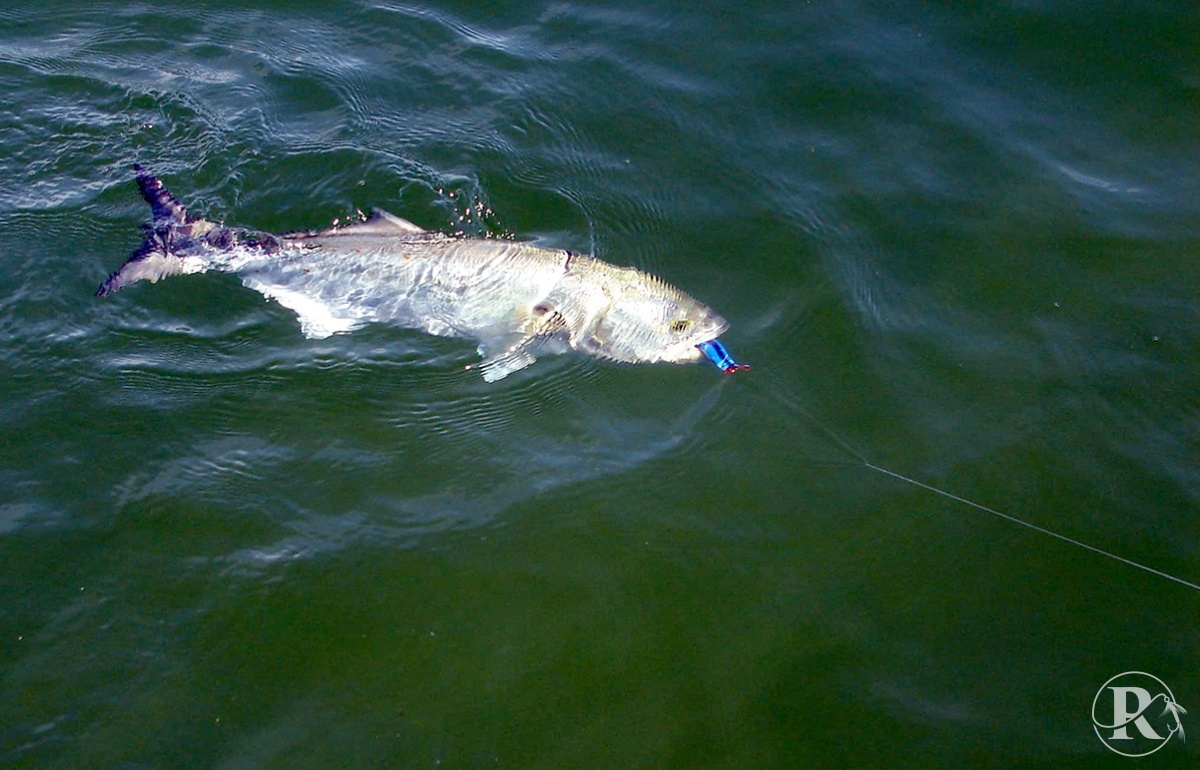
Bluefish in Marbella has long sounded like a rumour rather than a reality. Traditionally associated with warmer Atlantic and Mediterranean waters, bluefish are not a species most anglers expect to encounter along the Costa del Sol in winter. However, a recent charter outing close to Marbella port in late December raised an interesting question: are bluefish becoming more common in southern Spain?
This was not an offshore encounter. It happened close to the harbour, in relatively shallow water, under calm winter conditions.
A Winter Morning Close to Port
The trip started early, before sunrise, with the plan to catch squid for live bait. The boat remained close to port, fishing in approximately 15-20 metres of water, a depth normally associated with squid, baitfish, and occasional coastal predators.
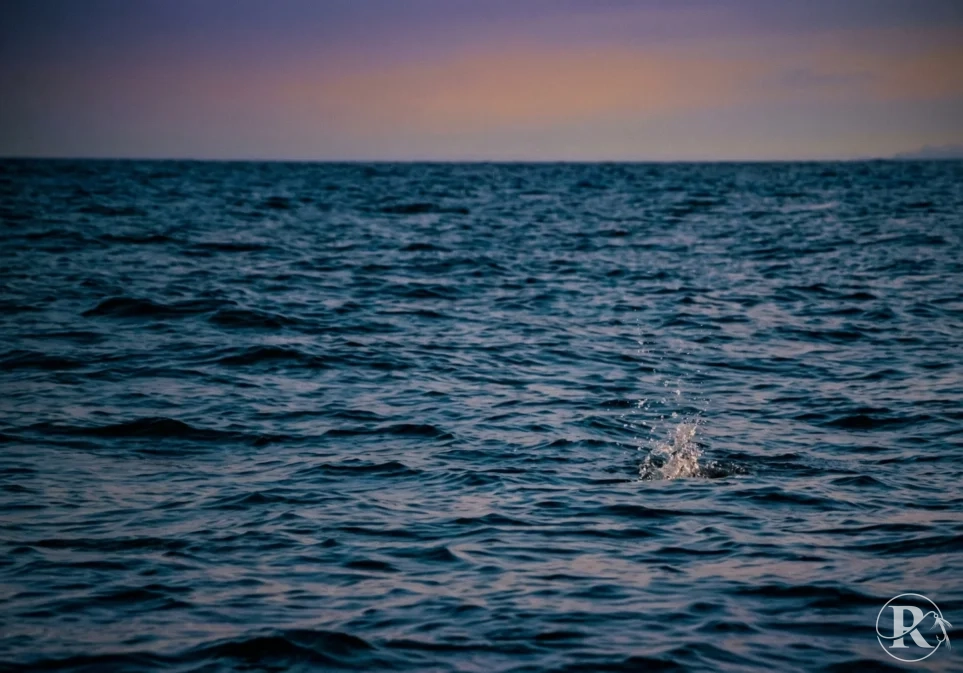
While working the area, unusual surface activity appeared right beside the boat. There was no explosive feeding and no loud surface crashes. Instead, several large fish moved just beneath the surface, slowly rolling and flashing their white bellies. Around 20 to 30 fish were visible, moving together with purpose.
This calm but confident behaviour immediately suggested a fast, organised predator.
A Prepared Rod and a Fast Decision
One rod had already been prepared on the boat with 20 lb braid and a 30 lb fluorocarbon leader, but no lure attached. As the fish continued to show beneath the surface, we clipped on a soft silicone shad rigged with a single hook and made a cast toward the moving fish.
The take came almost instantly.
The fish made a powerful, aggressive run under relatively high drag pressure. Despite the short fight, it stayed deep and pulled hard. After roughly 30 seconds, the line parted.
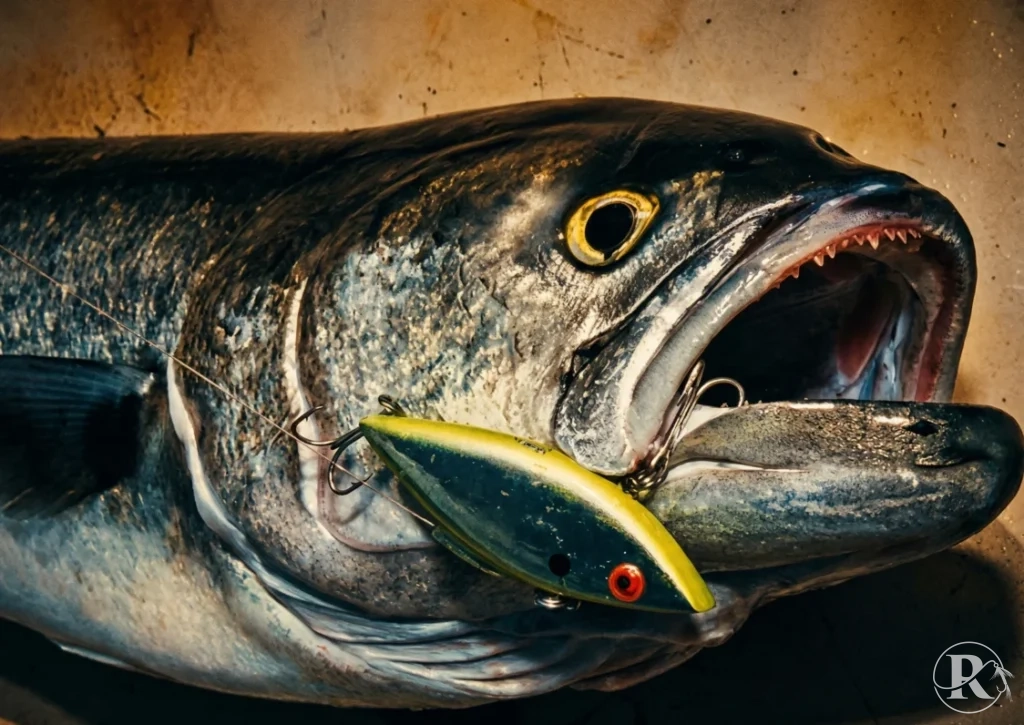
When the leader was retrieved, it showed clean, mechanical bite damage rather than abrasion. The cut marks were sharp and precise, strongly suggesting teeth rather than contact with structure.
Why Bluefish Fits the Situation
Bluefish are aggressive schooling predators, often hunting close to shore when squid or small pelagic bait is present. Their teeth are capable of slicing fluorocarbon quickly, even under moderate pressure.
Sightings of bluefish outside their traditional range are not new. As early as 2007, Spanish marine researchers documented unexpected bluefish appearances along the Galician coast. At the time, institutions such as the CSIC and Instituto Oceanografico linked these sightings to rising sea temperatures and shifting marine patterns.
Since then, similar observations have become more frequent across southern Europe.
Climate Change and Coastal Encounters
The Mediterranean continues to warm, and coastal ecosystems are changing. Species once considered rare visitors are now appearing closer to shore and later in the year.
Bluefish are highly adaptable predators. Their presence in shallow water near Marbella port during winter strongly suggests changing conditions rather than a one-off event.
While this does not confirm a permanent population, it reinforces the idea that bluefish in Marbella is no longer just a myth.
A Critical Tackle Lesson for Anglers
This encounter highlights an important lesson for coastal anglers. When fast, toothy predators are present, fluorocarbon alone is not always enough.
If bluefish are suspected, it is strongly recommended to use 40+ lb fluorocarbon or 12 inches of wire bite leader ahead of your lure. This small adjustment can be the difference between landing a fish and losing it within seconds.
Carrying wire leaders, even when targeting squid or fishing shallow areas, prepares you for unexpected encounters like this.
What This Means for Anglers and Charters
For anglers fishing southern Spain, whether from Marbella or aboard one of the charter boats out of Málaga an hour east along the same coast, such as La Starfisher for groups of up to 8 or La Faeton Blue Marlin for up to 12, both run by a captain with more than 20 years on this coast, this opens new possibilities. Light popping, soft plastics, and squid imitations could become relevant even during winter months.
For charter operations such as the Blue Tide boat that fishes out of Marbella, running trolling or bottom fishing trips depending on the season, sightings like this add value to coastal trips. They demonstrate that species diversity is increasing and that clients may experience something truly unexpected, even close to port.
Final Thoughts
The fish was not landed, but the evidence was clear. Group behaviour, immediate strike, powerful run, and clean bite marks all point toward bluefish.
Bluefish in Marbella may still be uncommon, but encounters like this suggest it is becoming increasingly realistic. Sometimes, the sea changes quietly, right outside the harbour, before anyone is ready for it.
Want to fish these waters yourself? Browse fishing charters in Marbella on Reelzy, or see what else is being targeted along the coast in Spain. Charter boats carry a collective licence, so you do not need your own.
Leave a Reply